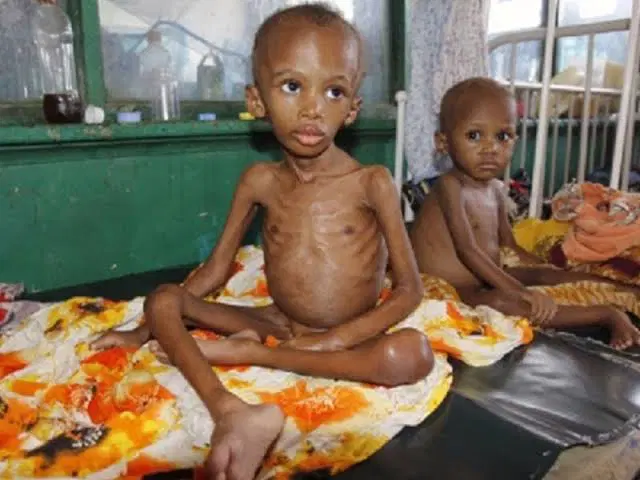
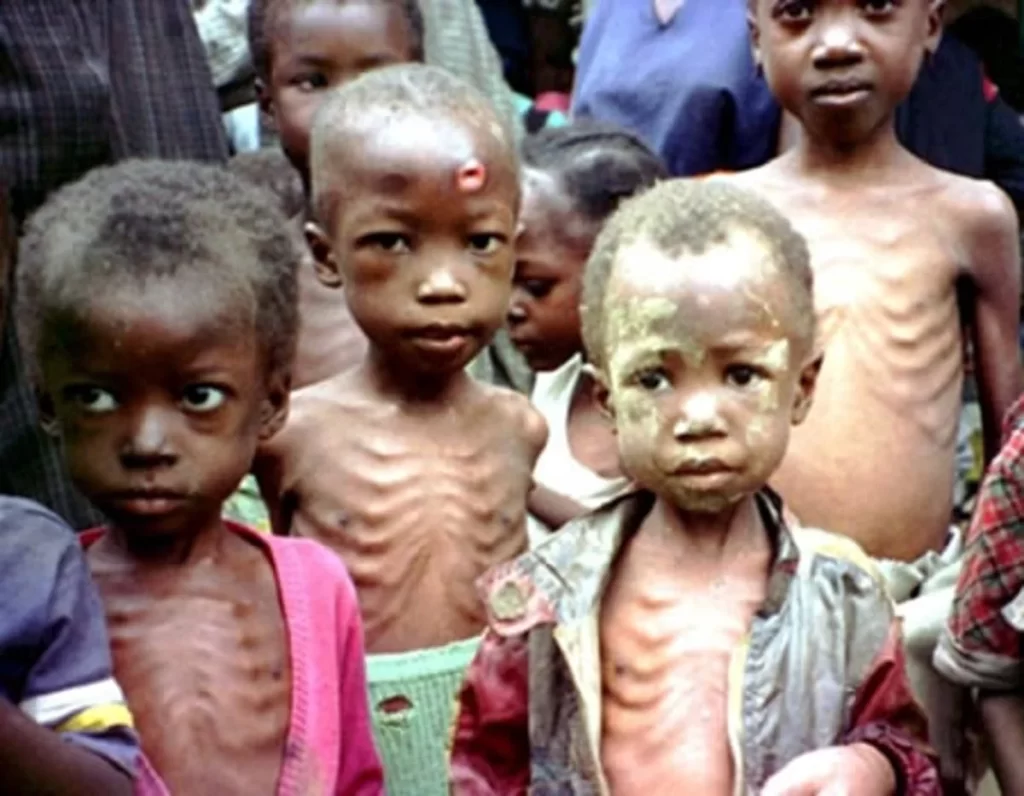
The United Nations Children’s Fund (UNICEF) has warned that more than two million children under five in Borno and Yobe states are projected to suffer acute malnutrition in 2026, with 750,000 of them expected to face severe acute malnutrition.
The UNICEF Chief of Maiduguri Field Office, Mr. Francis Butichi, disclosed this on Friday in Maiduguri during the 2026 World Children’s Day commemoration, where he called for stronger government, donor and community efforts to address the nutrition crisis.
According to him, the projection is contained in the Integrated Food Security Phase Classification (IPC) analysis and reflects the scale of the challenge facing children in the North-East.
He disclosed that UNICEF was supporting government interventions through the provision of essential supplies, capacity-building for frontline health workers and the strengthening of institutions responsible for primary healthcare delivery at state and local government levels.
Butichi said UNICEF and government partners, with support from donors, including the governments of Germany and the United Kingdom, had reached more than 400,000 children in Borno and Yobe with treatment for malnutrition in the last three years.
He, however, said the organisation is increasingly focusing on preventing malnutrition rather than relying only on treatment after children became severely affected.
“We do not want to treat what we are trying to do right now with this initiative is to prevent malnutrition from happening in the first place,” he said.
He identified the Borno Youth-led Nutrition Innovation Challenge, supported by UNICEF and funded by the United Kingdom’s Foreign, Commonwealth and Development Office (FCDO), as part of efforts to promote affordable, locally developed solutions to child malnutrition.
Butichi said more than 100 young people participated in the challenge, which required them to develop nutritionally balanced meals for children using essential nutrition groups.
He revealed that 86 per cent of the participants successfully completed seven-day menus that correctly combined the essential nutrition groups, while the finalists also acquired skills in pitching, public speaking and community facilitation.
He said the young participants are also mobilising mothers, community leaders and other residents to promote nutritious meals prepared from locally available foods and improve household feeding practices.
According to him, the initiative would have a lasting impact by equipping women and families with the knowledge to prepare nutritious meals from local foods.
“Its legacy will live on in every woman and child reached with the knowledge of how to prepare nutritious meals from local foods,” he said.
The UNICEF official challenged young people to sustain their efforts in developing practical solutions to children’s nutrition challenges and assured them of the organisation’s continued support.
“I challenge our young people to keep going. The world is waiting for your creative ideas, starting with the nutrition of children right here in Borno. UNICEF will continue to support you,” he said.
Butichi also urged governments to release nutrition funds on time and give young people a role in decision-making, while calling on donors to provide predictable, multi-year funding to sustain interventions.
“To government: release nutrition funding on time and give young people a seat at the table. To donors: stay with us with predictable, multi-year support. To all partners: co-create with young people and scale up the solutions they have shown us today,” he said.
The 2026 World Children’s Day celebration was held under the theme, “My Day, My Rights, My Future”, which highlights children’s rights to life, good health and protection from preventable illnesses, including acute malnutrition.
- Media Report