* As Nigerian Academy of Science aligns with idea
The Forum of Commissioners of Power and Energy in Nigeria has expressed concern over the frequent grid collapses plaguing the national electricity supply chain.
The Forum said this on Thursday, about 24 hours after the national grid collapsed for the 12th time this year, plunging parts of the country in darkness.
The Forum said in Abuja on Thursday that the latest grid collapse underscores the urgent need for sustainable and decentralized solutions to ensure uninterrupted power supply for all Nigerians.
Its Chairman, Prince Eka Williams, said: “The recurrence of grid collapses disrupts lives and businesses, creating far-reaching economic and social consequences.
“As Commissioners of Power and Energy from across Nigeria, we are united in addressing this challenge with pragmatic and state-driven solutions.”
Williams, who doubles as the Cross River State Commissioner for Power and Energy, highlighted some of the key outcomes and recommendations from the Forum’s recent meeting, including allowing states to generate and distribute electricity.
The Forum noted that states were intensifying efforts to establish and operationalize state electricity markets as a critical step toward decentralizing the power sector.
This approach, the forum said, will allow states to enhance generation, transmission, and distribution infrastructure tailored to their unique needs.
On enhancing grid stability, the commissioners advocated the development of grid systems in their states to complement the national grid. It believes that the approach will enhance localized reliability and reduce the cascading effects of a grid collapse.
While pursuing decentralization, the states, according to the Forum, are also advocating for collaborative measures with the Federal Government to stabilize the national grid.
These measures include investments in modern grid technology, predictive maintenance and real-time monitoring systems among others.
The Forum noted that State governments have stepped in with immediate interventions such as deploying alternative power solutions for critical infrastructure, including hospitals, schools, and water facilities.
The commissioners reaffirmed their commitment to ensuring that no community remains entirely in the dark during such crises.
The Forum urged all stakeholders, including the Federal Government, private sector players, and international partners, to align efforts toward achieving a resilient and reliable power sector, pledging that the states remain committed to playing a leading role in this transformation by fostering innovation, ensuring accountability, and prioritizing the welfare of their citizens.
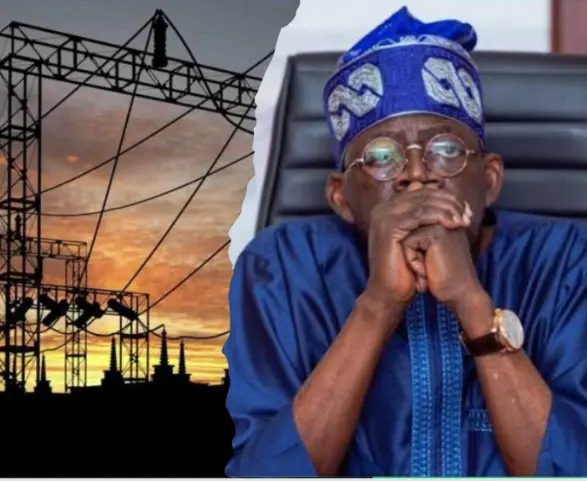
The Forum argued that to save electricity consumers in Nigeria the agony of power disruptions due to constant national grid collapse, it was time the country embraces a decentralized electricity framework where states have the autonomy and resources to manage their power needs effectively.
“Together, we can overcome the current challenges and build a more reliable and equitable power sector for Nigeria”, Williams maintained in the statement.
In a related development, the President-elect, Nigerian Academy of Science and Professor Emeritus, Faculty of Engineering and Environmental Designs, Usmanu Danfodiyo University, Sokoto, Abubakar Sambo, said that the frequent collapses of the national grid can be abated by its regionalisation.
Professor Sambo said this on Thursday while delivering the 12th convocation lecture of the Kwara State University (KWASU), Malete, titled; The Optimum Utilisation of Nigeria’s Energy Resources for the Sustainable Growth and Development of the Nation.
Professor Emeritus also said that the recent power outage in 17 states of the nation, caused by damage of transmission towers in one State by bandits, should not be allowed to happen in the future.
As a step towards the regionalisation of the National Grid, Professor Sambo said that states should ensure they have state-wide grids as part of establishing their electricity markets as provided by Electricity Act 2023.
“All State Grids can operate independently such that faults in one state will not affect other states,” he said, adding that all State Grids should be interconnected with the grids
of contiguous states.
He also suggested that dispatchable power plants should be available in states and be located at strategic points along the National Grid, saying that renewable energy power plants and small modular reactors have been found to be effective dispatchable power plants.