The Nigerian Association of Chambers of Commerce, Industry, Mines and Agriculture (NACCIMA) has warned that the latest hike in the price of petrol would raise transportation costs, exacerbate inflation and severely impact small and medium-sized businesses.
The National President of NACCIMA, Mr. Dele Oye, sounded the warning on Wednesday while expressing concern over the cost of petrol in Lagos and Abuja.
Oye noted that the prices, which have hit N998 and N1,030 per litre in Lagos and Abuja respectively, will place much strain on businesses and households across the country.
He spoke on the potential economic consequences of the price hike, warning that the increase could lead to higher transportation costs, exacerbate inflation and severely impact small and medium-sized businesses.
He said the decision, influenced by several underlying factors, warrant careful examination of its potential repercussions on the economy, particularly in the realms of pricing for goods, services and transportation.
“With transportation costs directly tied to fuel prices, this increase will serve as a catalyst for higher freight charges.
“Given that fuel is a primary driver of inflation, the rise in petrol prices will exacerbate the already high inflation rate in Nigeria.
“Households will find themselves paying more not only for fuel, but also for everyday goods and services, prompting a vicious cycle of rising costs and economic hardship.
“The recent fuel price increase will have a profound impact on micro and nano businesses, many of which rely heavily on petrol generators to power their operations,” he noted.
According to him, the overall economic landscape for SMEs can shift from potential growth to survival.
He explained that this would not only impact individual enterprises, but also limit job creation and economic development in communities across the country
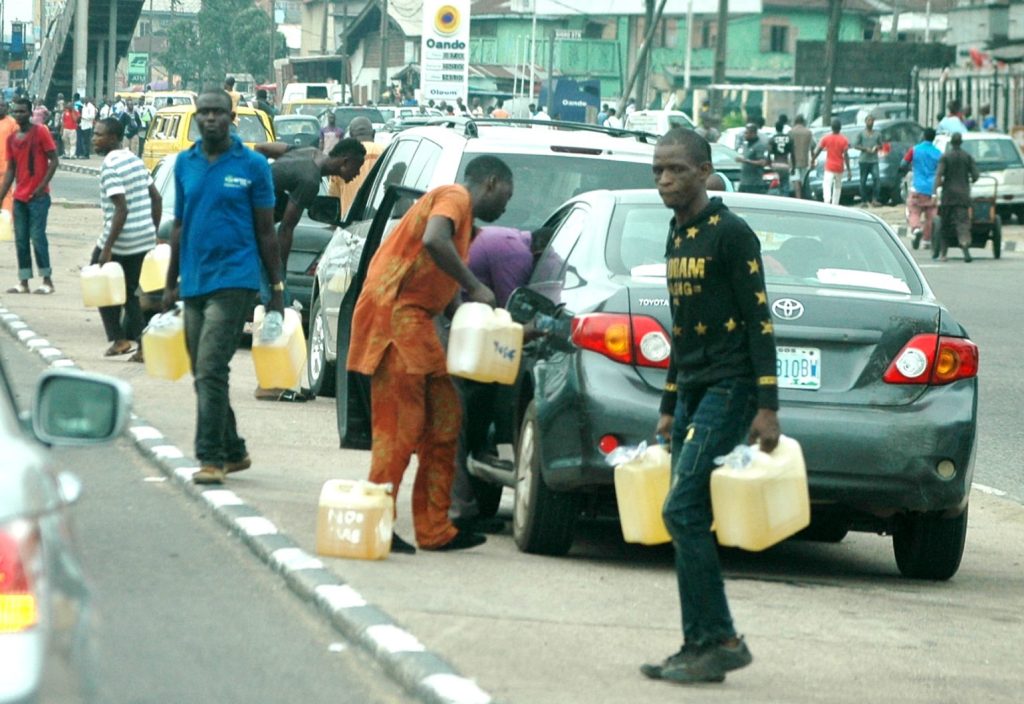
The NACCIMA president called on the Nigerian National Petroleum Corporation Ltd. (NNPCL) to demonstrate goodwill to support Dangote refinery operations.
This, he said, would stabilise local petrol prices, reduce Nigeria’s dependence on imported petrol and contribute to national self-sufficiency.
Oye also called on the Central Bank of Nigeria to be more effective in implementing monetary policies that stabilise or strengthen the Naira.
He noted that as importation costs rise due to currency depreciation, domestic fuel prices would likely continue on an upward trajectory.
“It is imperative that we advocate for robust strategies that not only stabilise fuel prices but also bolster domestic production capabilities, ensuring that the Nigerian economy can navigate these turbulent times more effectively.
“As stakeholders, NACCIMA will continue to engage with government entities to encourage a more conducive climate for growth and sustainability,” he said.
– NAN